At a Glance
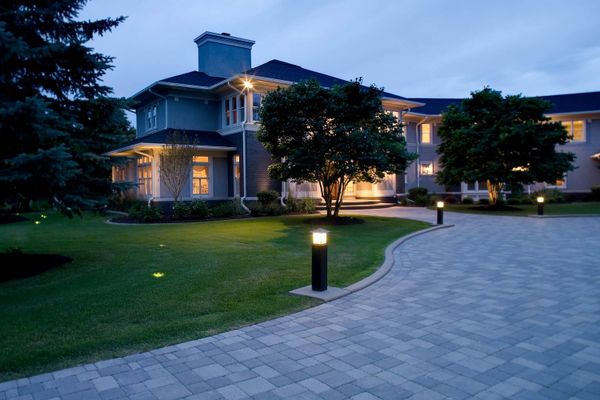
Too many homeowners think that a bright yard is a safe yard. They install a single, powerful floodlight on the corner of the garage and call it a day. This usually results in a harsh glare that blinds your neighbors and creates pitch-black shadows where you actually want to see. It makes a beautiful home look like a high-security facility rather than a welcoming space.
The real secret to a high-end look is layering. By using different levels of light, you add depth and warmth to your property while making it much safer to walk around at night. At [Client Name], we help you move beyond basic bulbs to create a professional design that highlights your home’s best features. We believe that a well-lit exterior should feel like a natural extension of your indoor living space.
In this guide, you will learn how to mix different light levels to create a balanced, multi-dimensional look for your property. We show you how to use outdoor house lighting to highlight architectural textures and keep your walkways clear. You will also discover how modern automation can make managing your yard lighting easier than ever before.
Improve Your Home’s Glow
Our team helps you find the right fixtures and smart controls to transform your property.
Lighting DesignUnderstanding Ambient, Task, and Accent Layers for Your Home
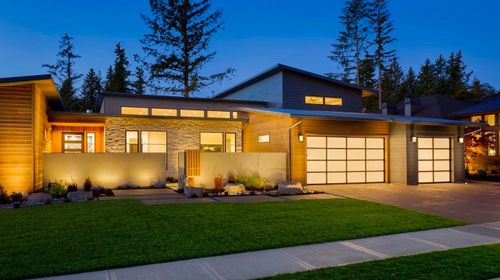
Professional outdoor design is about balance, not just adding more brightness. If you turn everything up to the maximum, you lose the contrast that makes a home look interesting. Think of your yard like a room inside your house. You need a foundation of light to see the general area, focused light for specific jobs, and small highlights to create a mood.
Creating a Foundational Glow
Ambient lighting is your base layer. This provides a soft, general glow that lets you see the overall shape of your yard. We often use soft wall sconces or post lights to establish this layer. It should not be overwhelming. Instead, it provides enough visibility so you do not feel like you are standing in a dark void. When this layer is done right, it feels like natural moonlight is hitting your patio or driveway.
Focusing on Safety and Function
Task lighting is the second layer, and it is the most important for safety. You need to see where you are stepping to avoid trips and falls. This layer focuses on specific areas like:
- Dark staircases and porch steps
- Winding garden paths
- The area around your outdoor grill or kitchen
- Key entry points like the side door or gate
We recommend placing these lights where they can cast a clear pool of light on the ground without hitting you directly in the eye. For example, path lights should be staggered along a walkway rather than lined up like a runway. This creates a natural flow that guides your feet safely.
Adding Visual Interest
The final layer is accent lighting. This is where the drama happens. You use this layer to point out the things you love most about your property. Maybe you have a beautiful Japanese Maple or a stone chimney with a unique texture. By pointing a small, focused beam at these features, you create focal points that draw the eye. It turns a flat, dark yard into a three-dimensional masterpiece. We suggest using low voltage outdoor lighting for these accents because the fixtures are small and easy to hide in the mulch or behind bushes.
Essential Techniques to Improve Your Exterior Design
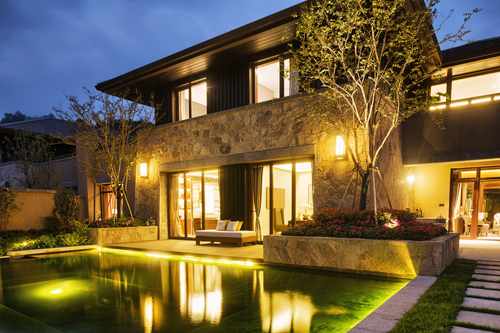
The way you position your fixtures changes how people see your home. One of the most popular methods we use is uplighting. By placing a fixture at the base of a large tree or a stone pillar and aiming it upward, you emphasize height and structure. It creates a bold look that makes the house feel more grand.
If you want a softer feel, consider downlighting. This is often called moonlighting. We suggest mounting small fixtures high up in the branches of a tree and aiming them through the leaves. This casts beautiful, dappled shadows on the grass below. It mimics the look of a full moon and provides a very relaxing atmosphere for late-night conversations on the porch.
Highlighting Texture and Shape
Architectural lighting techniques like grazing and silhouetting can completely change your home's facade lighting design. Grazing involves placing a light very close to a textured surface, like a brick or stacked stone wall. The light "grazes" the surface, casting long shadows that make the texture pop. Silhouetting is the opposite. You place a light behind an object, like a decorative urn or a unique shrub, and aim it toward a wall. This creates a dark outline of the object against a bright background, which looks very sophisticated.
Getting the Color Right
One detail that many people miss is color temperature. We recommend sticking to warm white landscape lighting between 2700K and 3000K. This range mimics the warm glow of residential indoor lighting. If you go higher, like 5000K, the light starts to look blue and cold. That cooler light is fine for a parking lot, but it feels very sterile on a home. Warm light makes your brick and wood features look rich and inviting. We also suggest looking for dark sky compliant lighting. These fixtures are designed to point light downward where you need it, rather than letting it bleed up into the sky. This reduces light pollution and keeps your yard looking cozy instead of washed out.
Smart Controls and Automation for Modern Outdoor Spaces
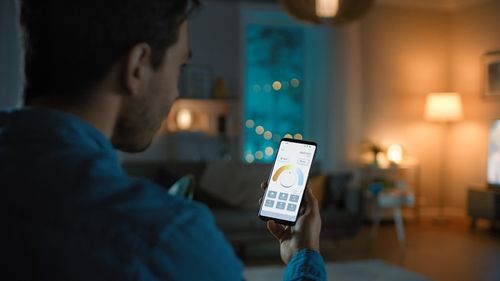
The days of flipping a single switch by the back door are over. Modern outdoor lighting automation allows you to control the entire mood of your yard from your phone or even through voice commands. At our showroom, we see how much stress this removes for homeowners. You no longer have to worry about whether you remembered to turn the lights off before bed or if the yard will be dark when you get home from work.
Smart systems allow you to set specific "scenes." For example, you might have an "Entertaining" scene that dims the ambient lights and turns on the accent lights around the fire pit. A "Security" scene could turn every light on your property to 100% brightness if a motion sensor is triggered. This level of control makes your system much more versatile. You can even set your lights to follow an astronomical timer. This means the system knows exactly when the sun sets and rises in your specific zip code, adjusting itself throughout the seasons.
Integrating these lights into a smart home hub also improves efficiency. You can dim the lights to 50% on a quiet Tuesday night to save energy, then boost them on the weekend when guests are over. Motion sensors are a vital part of this setup too. Instead of keeping a bright light on all night, you can have your path lights stay at a low, dim level and then slowly brighten as you walk toward the door. It is a smooth transition that feels high-end and intentional.
Is a Layered Outdoor Lighting System Right for You
While layering creates a beautiful look and improves your property value, it does involve more planning than a basic hardware store kit. You have to think about power sources, wire runs, and how the light will look from every angle of the street.
Pros
Curb Appeal
Creates deep visual interest and curb appeal
Improved Security
Improves security by eliminating dark hiding spots
Property Value
Increases home value through professional design
Total Control
Offers total control over the atmosphere of your yard
Cons
Initial Investment
Requires a larger initial investment in low-voltage infrastructure
Professional Planning
Demands careful professional planning for the best results
System Maintenance
Needs occasional system maintenance to keep fixtures clear
Choosing the Right Power System for Your Outdoor Space
Most modern homes use one of two systems to power their exterior lights. We almost always recommend low voltage systems for residential use because they are safer and much easier to adjust as your yard grows.
| Feature | Low Voltage (12V) | Line Voltage (120V) |
|---|---|---|
| Safety | High; safe for kids and pets | Low; risk of severe shock if wires are cut |
| Installation | DIY-friendly; simple wire burial | Requires a licensed electrician and conduit |
| Energy Efficiency | Excellent; designed for LED performance | Standard |
| Fixture Variety | Massive range of small, discreet styles | Limited to larger, bulkier fixtures |
| Cost | Lower initial labor costs | Higher due to professional electrical requirements |
Keeping Your Outdoor Lighting System Performing at Its Peak
A common myth is that once your lights are in the ground, you never have to touch them again. Because these fixtures live outside, they have to deal with rain, dirt, and overgrown plants. To keep your outdoor house lighting looking great, you should clean the lenses at least twice a year. Dust and dried mud can block a significant amount of light, making your 3000K warm white landscape lighting look dull and yellow.
One practical tip we share is to check your burial depth every spring. In colder climates, the ground can shift, and low voltage wires only need to be buried about six inches deep. If you see a wire popping up through the mulch, you need to tuck it back down before the lawnmower finds it. You should also trim any bushes or ground cover that has started to grow over your fixtures. A light that is buried in a boxwood hedge is just wasting energy and heat.
We also suggest choosing LED-integrated fixtures. Unlike older systems where you have to swap out bulbs every year, integrated LEDs are built to last for decades. This reduces the need for maintenance and makes the system much more reliable. If you have a smart system, check your app once a month to ensure your timers are still accurate. If you had a power outage, your smart outdoor lighting control might need a quick sync to get back on schedule. Taking these small steps will ensure your investment looks just as good in five years as it does on the day of installation.
Transform Your Property with Total Home Technologies Expert Guidance
Layering your outdoor lights is the best way to blend art and science on your property. It takes your home from being just another house on the street to a standout property with incredible curb appeal. While the ideas of ambient, task, and accent lighting are easy to understand, getting the angles and power requirements right takes a professional touch.
At [Client Name], we specialize in creating custom designs that fit your specific lifestyle. We do not just sell you a box of lights; we provide the expert showroom help and professional installation you need for a system that lasts. Whether you want to improve your home security or create a backyard oasis for summer parties, our local team is here to help. Contact [Client Name] today for a customized design consultation and see how we can bring your home into a whole new light.
Frequently Asked Questions about Outdoor House Lighting
Ambient lighting provides the general foundation of light for an area, while task lighting focuses on functional safety like paths and stairs. Accent lighting is used specifically to highlight architectural features or unique plants to add drama and depth to the property.
The best temperature for residential exteriors is between 2700K and 3000K. This warm white range creates a cozy, inviting feel that matches the interior of most homes and makes natural materials like wood and stone look their best.
Yes, you can mix brands as long as they are compatible with the same voltage and power transformer. However, we recommend sticking to high-quality LED fixtures with matching color temperatures to ensure the light looks consistent across your entire yard.
You can improve security by using a layered approach that eliminates dark shadows near windows and doors. Using motion sensors and smart home integration allows your lights to react to movement, which is a much more effective deterrent than a single constant floodlight.
Solar lights are easier to install but they generally offer much lower brightness and reliability compared to hardwired systems. Low voltage lighting provides a consistent, professional-grade glow that does not fade after a few hours or on cloudy days.
Smart systems connect your outdoor fixtures to a central hub or a smartphone app via Wi-Fi or Bluetooth. This allows you to set automated schedules, create lighting scenes for different activities, and control your lights from anywhere in the world.
Why Trust Total Home Technologies
At Total Home Technologies, we are dedicated to turning your vision for a smart, connected home into reality. Specializing in the latest innovations in smart home automation, home theater design, advanced lighting control, motorized shades, outdoor entertainment, and more, we bring tailored solutions to enhance your lifestyle. Serving Austin, TX, and the surrounding areas, our experienced team combines cutting-edge technology with expert craftsmanship to deliver results that are both functional and stylish. Whether you're starting fresh with a new build or upgrading your current home, you can trust us to provide personalized guidance and solutions every step of the way. Together, we’ll create a home that perfectly balances sophistication, convenience, and comfort.
Shop Outdoor Lighting at Total Home Technologies
Choosing Total Home Technologies for your home speaker needs in Austin, TX, means partnering with a local team that truly understands the unique needs of the community. Our expertise, combined with a deep commitment to customer satisfaction, ensures that every solution is tailored specifically to your lifestyle. With a focus on quality, innovation, and seamless integration, we make it easy for you to enhance your home with advanced technologies designed to add convenience, energy efficiency, and modern style to your everyday life. Let us make your smart home vision a reality.