At a Glance
You want to listen to music the way it was meant to be heard, but the sheer volume of audio gear available is overwhelming. Choosing the right components often feels like learning a new language, leaving many buyers paralyzed by technical specs, conflicting advice, and endless forum debates.
Making the wrong choice means wasting money on gear that sounds flat and lifeless in your specific room. Total Home Technologies simplifies this process by matching your exact listening habits and room dimensions with the perfect high-fidelity components to bring your favorite tracks to life.
This guide breaks down the essential parts of a home stereo audio system so you can make an informed, confident purchase. We explore component roles, room acoustics, and the key differences between traditional two-channel setups and hybrid multimedia designs to help you build the perfect soundstage.
| Build Your Perfect Soundstage | |
|---|---|
| Learn More! | |
The Anatomy of a High-Fidelity Home Stereo Audio System
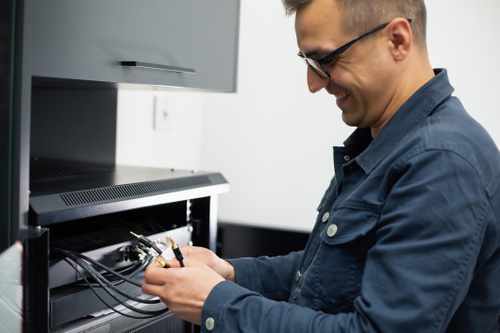
Building a proper hifi audio for beginners begins with understanding the signal chain. Every home sound system design relies on three fundamental pillars to produce sound. The source generates the audio signal. The amplification stage boosts that signal. The speakers convert that electrical energy into the physical sound waves you hear.
The source component acts as the brain of your home audio setup. This can be an analog device like a turntable or a digital device like a network streamer, CD player, or computer. When dealing with digital files, the digital-to-analog converter plays a massive role in audio quality. The DAC translates digital code into an analog electrical signal. A standalone, high-quality DAC captures greater dynamic range and detail than the cheap chips built into basic smartphones or laptops.
Once you have a clean analog signal, it needs power. Here, buyers often weigh an amplifier vs receiver. A stereo receiver is essentially an all-in-one hub. It contains a preamplifier to switch between inputs, a radio tuner, and a power amplifier to drive the speakers. A dedicated amplifier setup breaks these jobs apart into separate boxes. Separating the components isolates the delicate audio signal from electrical interference, providing a cleaner, more powerful soundstage for serious listening.
The final piece of the audio system components chain is the speaker. Your speakers have the most dramatic impact on the overall tone and character of your music. Understanding how these three pillars communicate helps you allocate your stereo system budget effectively. Spending thousands on premium speakers while running a compressed digital signal through a cheap receiver will always result in muddy, disappointing audio.
Designing for Your Space: Room Acoustics and Speaker Placement
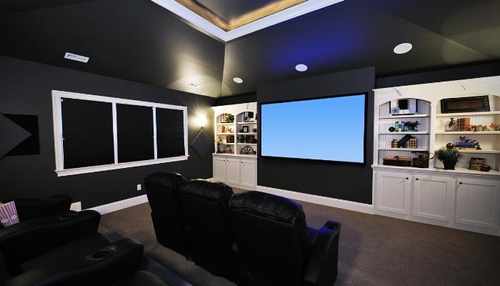
Your room is the final component in your home stereo audio system. Physical room size, ceiling height, and wall shape dictate exactly how sound waves travel and bounce before hitting your ears. A square room with bare hardwood floors creates a nightmare of echoing frequencies, while a rectangular room with proper furnishings tames rogue sound waves. Buying expensive gear will not fix bad room acoustics.
Finding the optimal listening position requires setting up an equilateral triangle. The distance between your left and right speakers should match the distance from each speaker to your favorite chair. This layout creates the coveted sweet spot, where vocals appear to float directly in front of you while instruments separate cleanly to the left and right. Point the speakers slightly inward toward your ears to sharpen this stereo imaging effect.
Proper speaker placement for stereo requires breathing room. For optimal bass response with rear-ported speakers, pull the cabinets at least 18 inches away from the back wall to prevent muddy, booming low-frequency buildup. Shoving large speakers directly into corners artificially inflates bass frequencies, drowning out delicate midrange details like vocals and acoustic guitars. Keep them clear of massive furniture pieces that might block the sound path.
Acoustic treatments take your listening experience to a professional level. You do not need a recording studio aesthetic to get great results. Thick rugs placed between the speakers and your chair act as natural absorbers, stopping high frequencies from bouncing off the floor. Bookshelves filled with varying sizes of books work as excellent diffusers on the back wall, scattering sound waves naturally. If you want a truly refined space, professional home audio installation can measure your exact room nodes and apply custom panels to correct dead zones.
Defining Your Listening Intent: Stereo Versus Surround Sound
Many buyers walk into the showroom confused about the difference between home stereo vs surround sound. A traditional stereo setup uses two channels, left and right, to reproduce music exactly as the studio engineers mixed it. A home theater surround sound system uses five or more speakers, plus a subwoofer, to track sound effects across a three-dimensional physical space.
If your primary goal is pure musical fidelity, a dedicated two-channel setup is vastly superior to a massive theater array. Music is mastered for two channels. Running a stereo music track through a cheap 5.1 surround receiver forces the system to artificially split the signal, degrading the audio quality and collapsing the soundstage. You get better components, better power delivery, and superior clarity by spending your budget on two excellent speakers rather than six mediocre ones.
However, many people deal with dual-purpose living rooms. You want incredible music playback on Friday night, but you also want thunderous action movie effects on Saturday. In these situations, you have to balance your priorities. A high-quality two-channel setup still provides excellent, articulate dialogue and massive dynamic impact for movies.
If you plan to merge these uses, look for a robust stereo receiver with digital optical inputs or HDMI ARC capabilities. This allows you to route your television audio directly through your high-end speakers. You lose the novelty of hearing a helicopter fly behind your head, but you gain a massive upgrade in overall sound quality, vocal clarity, and musical performance without cluttering the living room with cables.
Scaling Your Setup: From 2.0 Basics to 2.1 and Beyond
When discussing a 2.0 vs 2.1 channel system, the numbers simply describe the speaker count. A 2.0 system features two main speakers handling the entire frequency range. A 2.1 system takes those two main speakers and adds a dedicated subwoofer to handle the lowest bass frequencies. Multi-channel setups like 5.1 or 7.1 add center channels for dialogue and rear speakers for atmospheric effects.
The physical dimensions of your room often dictate whether you should look at bookshelf vs tower speakers.
- Bookshelf speakers require speaker stands or sturdy furniture to reach ear level.
- Tower speakers sit directly on the floor and utilize larger internal cabinet volumes.
- Bookshelf speakers excel in small to medium rooms where tight, articulate sound is required.
- Tower speakers push massive amounts of air, creating a larger soundstage for big, open-concept living spaces.
Adding a subwoofer to create a 2.1 system is typically the most impactful upgrade for first-time buyers. Bookshelf speakers physically cannot reproduce the lowest octaves of a bass guitar or a kick drum. A powered subwoofer takes that heavy lifting away from the main amplifier. This allows your primary speakers to focus entirely on delivering crystal-clear midrange and treble frequencies without distortion.
Building your setup with a modular mindset yields the best long-term results. Starting with an audiophile speaker setup in a 2.0 configuration provides a phenomenal foundation. As your budget allows and your listening space grows, you can easily integrate a subwoofer or upgrade your amplification. Starting with a cheap, pre-packaged surround sound box locks you into low-quality proprietary connectors that cannot be upgraded later.
System Comparison: Which Setup Fits Your Needs?
| Configuration | Primary Use Case | Space Requirement | Budget Intensity | Setup Complexity |
|---|---|---|---|---|
| 2.0 Stereo | Pure Music Fidelity | Minimal (Best for small rooms) | Low to Medium | Very Simple |
| 2.1 System | Music & Movies | Moderate (Requires floor space for sub) | Medium | Moderate |
| 5.1 Surround | Cinematic Immersion | Large (Requires precise room layout) | High | Complex |
Choosing a dedicated audio layout fundamentally changes how you interact with your media. Understanding the exact benefits and physical limitations helps you build a system that matches your daily lifestyle.
Pros
Delivers unmatched musical fidelity and clarity for dedicated listening sessions.
Simplifies the electrical signal path to prevent distortion and interference.
Fits naturally into smaller living spaces without requiring extensive wire management.
Allows you to stretch your budget further by investing in two premium speakers.
Cons
Lacks the directional, 360-degree sound required for immersive modern movie soundtracks.
Requires careful physical placement and measurement to achieve the optimal listening position.
Relies heavily on the acoustic properties and furniture layout of your specific room.
Demands separate, sometimes costly components to reach peak audio performance.
Start Your Journey to a Better Home Stereo Audio System

Finding the right audio gear comes down to matching quality components with your room dynamics and listening goals. Whether you start with a simple pair of active speakers or build a robust component rack, prioritizing a clean signal path and proper speaker placement always yields the best results. Stop settling for flat, uninspiring sound and start experiencing the full depth of your music collection. Visit the local audio equipment showroom at Total Home Technologies today to audition premium gear in person. We provide expert showroom guidance, custom design services, and professional installation to guarantee your new system sounds flawless from day one.
Frequently Asked Questions about Home Stereo Audio Systems
The speakers are the most important component in your home stereo audio system because they physically produce the sound waves you hear. Upgrading your speakers will yield the most immediate, dramatic improvement in tone, clarity, and overall audio quality compared to changing any other component.
A dedicated amplifier is not necessary for beginners building their first two-channel setup. A high-quality integrated stereo receiver provides more than enough clean power and connectivity for most introductory bookshelf or tower speakers.
Bookshelf speakers are better for small rooms under 150 square feet, while tower speakers excel in large, open-concept spaces. Tower speakers require significant breathing room away from walls to perform properly, whereas bookshelf models offer flexible placement options in tighter dimensions.
Active vs passive speakers comes down to internal amplification. Active speakers have built-in amplifiers and plug directly into a wall outlet, while passive speakers require an external receiver to provide power via speaker wire.
You can absolutely route your television audio through a high-fidelity two-channel system for an incredible movie-watching experience. While it lacks rear surround effects, a strong stereo setup provides massive dynamic punch and crystal-clear dialogue that easily outperforms any standard soundbar.
A first-time buyer should budget between $1,000 and $2,500 for a quality introductory setup featuring a reliable receiver and well-built speakers. This price range avoids cheap plastic components and secures durable gear built with proper acoustic engineering.
Why Trust Total Home Technologies
At Total Home Technologies, we are dedicated to turning your vision for a smart, connected home into reality. Specializing in the latest innovations in smart home automation, home theater design, advanced lighting control, motorized shades, outdoor entertainment, and more, we bring tailored solutions to enhance your lifestyle. Serving Austin, TX, and the surrounding areas, our experienced team combines cutting-edge technology with expert craftsmanship to deliver results that are both functional and stylish. Whether you're starting fresh with a new build or upgrading your current home, you can trust us to provide personalized guidance and solutions every step of the way. Together, we’ll create a home that perfectly balances sophistication, convenience, and comfort.
Shop Home Stereo Systems at Total Home Technologies
Choosing Total Home Technologies for your home speaker needs in Austin, TX, means partnering with a local team that truly understands the unique needs of the community. Our expertise, combined with a deep commitment to customer satisfaction, ensures that every solution is tailored specifically to your lifestyle. With a focus on quality, innovation, and seamless integration, we make it easy for you to enhance your home with advanced technologies designed to add convenience, energy efficiency, and modern style to your everyday life. Let us make your smart home vision a reality.